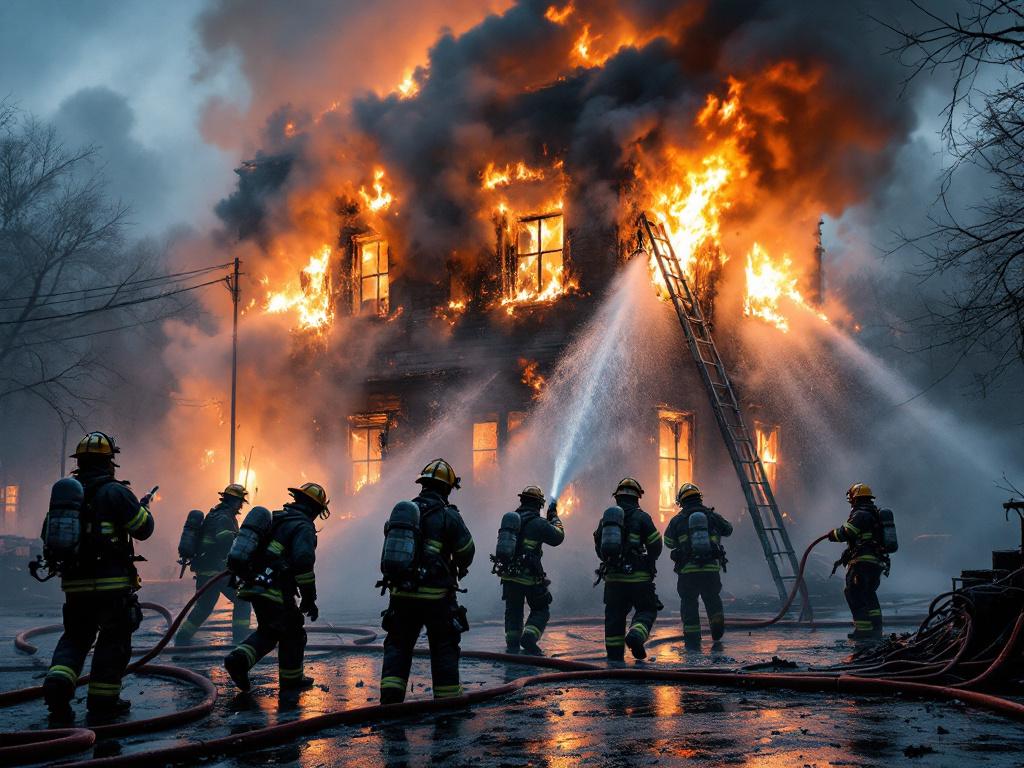
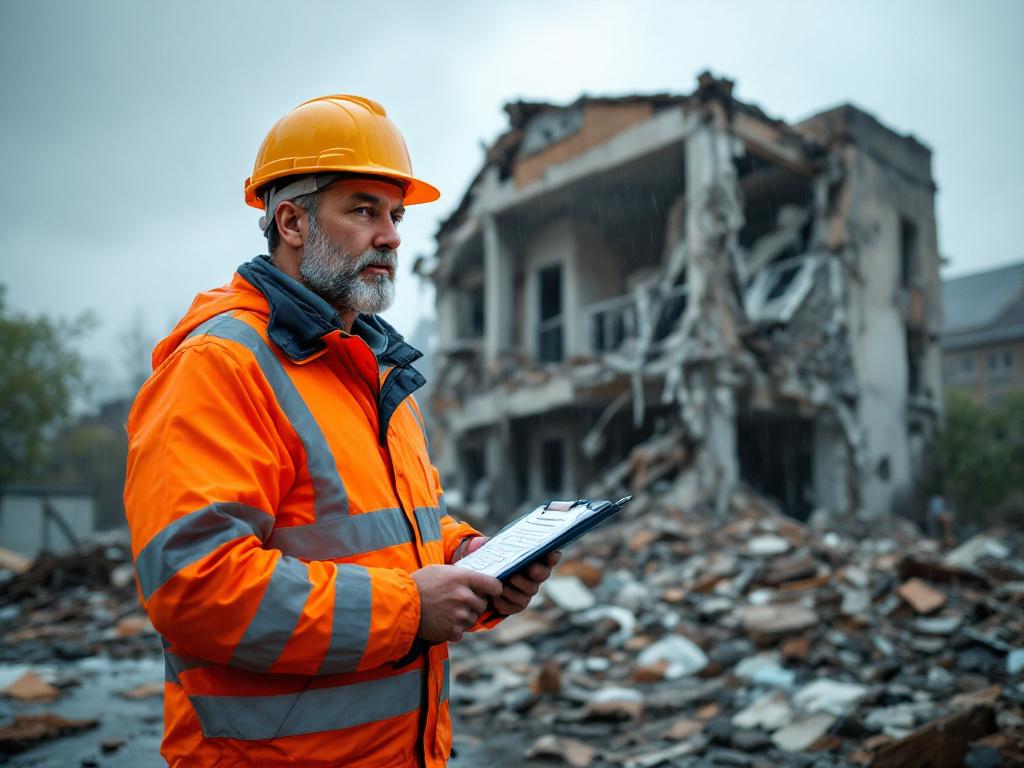
In an era marked by rapid technological advancements, increasing geopolitical tensions, and the growing impact of climate change, civil defense has become an indispensable component of national and community security. While military defense primarily focuses on protecting sovereignty and borders, civil defense concentrates on safeguarding the population, critical infrastructure, and societal functions during a wide spectrum of emergencies—ranging from natural disasters to terrorist attacks and technological hazards.
The Evolution of Civil Defense
Historically, civil defense was largely associated with wartime preparations—air raid drills, evacuation procedures, and bomb shelters. Today, however, the scope has expanded significantly. Modern civil defense encompasses disaster preparedness, risk reduction, emergency management, and resilience-building measures designed to prevent, respond to, and recover from crises. This holistic approach recognizes that threats are multifaceted and often interconnected.
Key Components of a Modern Civil Defense
- Early Warning and Communication Systems
Effective civil defense relies on sophisticated warning systems that provide real-time alerts about impending threats. From weather monitoring to terrorist threat alerts, integrated communication networks ensure that citizens and authorities are informed promptly. Encrypted and resilient communication systems are essential in guaranteeing message integrity during crises. - Emergency Preparedness and Community Engagement
Public education campaigns, regular drills, and accessible emergency plans help build community resilience. Empowering citizens with knowledge and resources ensures they can act decisively—evacuating, securing their surroundings, or providing first aid—thus reducing casualties and chaos. - Critical Infrastructure Protection
In a modern security framework, civil defense involves safeguarding vital infrastructure such as water supplies, power grids, transportation hubs, and communication networks. Implementation of physical barriers, security fencing, flood defenses, and thermal protection strategies fortifies infrastructure against both natural and man-made threats. - Rapid Response and Recovery Capabilities
Once a crisis occurs, swift coordinated response is crucial. Deploying trained personnel, mobile units, and modular protection solutions—such as flood barriers, protective shelters, and mobile command centers—minimizes damage and facilitates faster recovery. - Technological Integration
Cutting-edge technology plays a pivotal role in civil defense. Remote sensing, GIS mapping, drone surveillance, thermal imaging, and encrypted digital communication enhance situational awareness and decision-making. These tools enable authorities to anticipate threats, monitor evolving situations, and optimize resource deployment.
The Significance in Today’s Security Context
The increasing frequency of natural disasters—floods, hurricanes, wildfires—due to climate change demands resilient civil defense systems. Likewise, asymmetric threats such as terrorism, cyberattacks, and biohazards require an adaptable and comprehensive preparedness strategy. Civil defense agencies are now integral partners with military and intelligence services, forming a layered security architecture that protects not just borders, but citizens and their way of life.
Building a Resilient Civil Defense System
A modern civil defense framework relies on proactive planning, technological innovation, and strong institutional coordination. Governments are investing in training first responders, developing multi-hazard response plans, and establishing public-private partnerships to enhance resource availability and expertise. Investing in modular protection systems—like flood barriers, thermal shields, and encrypted communication networks—addresses specific vulnerabilities, making communities less susceptible to disruptions.
Conclusion
Civil defense is no longer just about reacting to emergencies; it is about creating resilient communities that can withstand, adapt to, and recover from diverse threats. By integrating advanced technology, fostering public cooperation, and maintaining a flexible but robust response infrastructure, civil defense systems ensure societal stability and national security in a rapidly changing world. Building such resilient frameworks not only saves lives but secures the foundation of vital societal functions for generations to come.