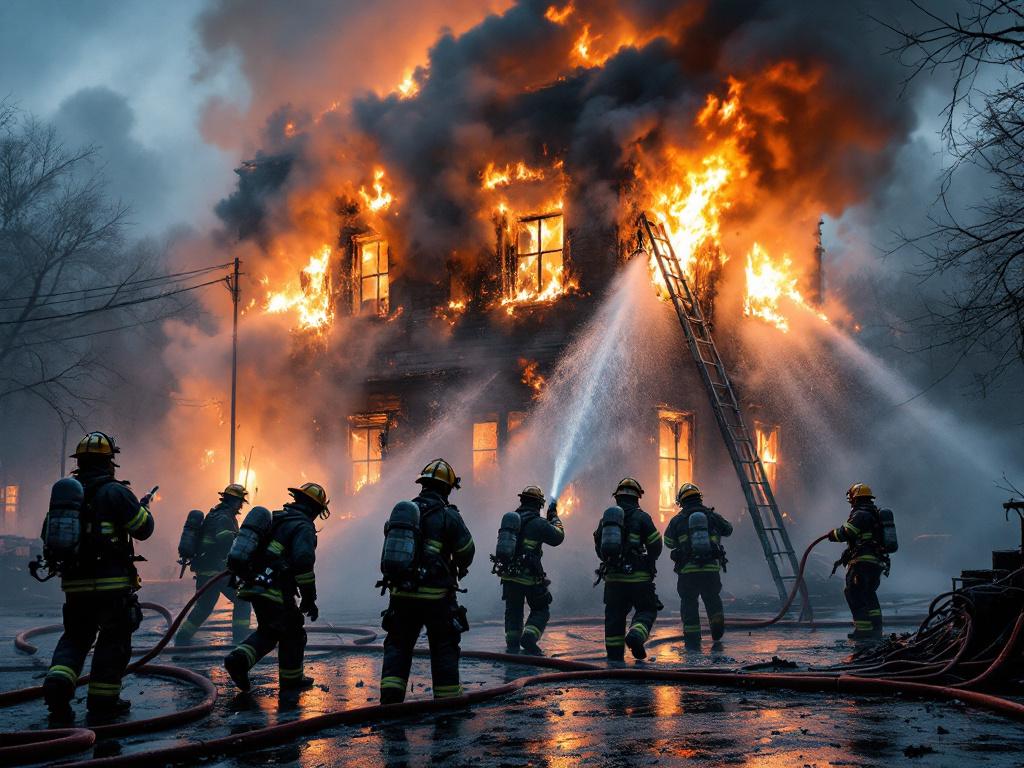
In emergency situations—such as natural disasters, industrial accidents, or terrorist attacks—timely response is critical to saving lives, minimizing damage, and quickly restoring normalcy. Rapid deployment solutions are specially designed systems and equipment that can be quickly assembled, transported, and activated to address urgent needs on the ground.
Why Rapid Deployment Matters
Emergencies often evolve unpredictably and require immediate action to contain hazards, provide shelter, or secure affected areas. Traditional solutions, while effective, may be too bulky or time-consuming to set up swiftly. In contrast, rapid deployment systems enable first responders, civil protection agencies, and military units to act promptly—sometimes within minutes—reducing the overall impact of the crisis.
Key Types of Rapid Deployment Solutions
- Modular Flood Barriers and Water Control Systems
Flexible, lightweight barriers that can be quickly installed along rivers, coastlines, or urban zones threatened by floods. Often consisting of interlocking panels or inflatable units, they provide effective water containment with minimal setup time. - Portable Security and Perimeter Fencing
Rapid-erection fencing systems allow rapid secure zones around sensitive sites, evacuation points, or contaminated areas. These fences are lightweight, weather-resistant, and easy to transport. - Expandable Shelters and Containment Units
Pre-fabricated tents or modular structures that can be quickly unfolded or assembled to serve as triage centers, command posts, or temporary housing in disaster zones. - Mobile Protection and Safety Barriers
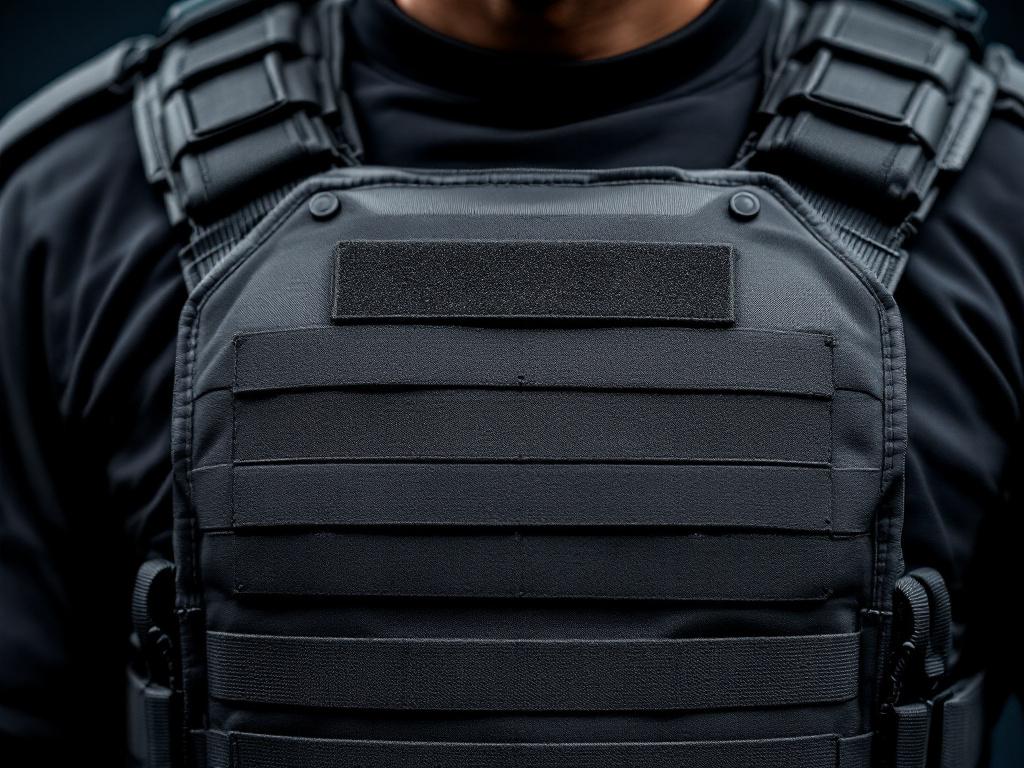
Transportable barricades and shields used in active threat scenarios to protect personnel, critical infrastructure, or evacuation routes from vehicular or criminal threats. - Deployable Communications and Power Units
Rapidly deployable communication hubs and power generators ensure that responders stay connected and operational when local infrastructure is compromised.
Benefits of Rapid Deployment Solutions
- Speed: Minimize response time and enable immediate action.
- Flexibility: Adapt to different scenarios with modular and scalable systems.
- Portability: Easy transportation and quick setup even in challenging terrain.
- Effectiveness: Provide immediate protection, containment, or shelter, reducing casualties and damage.
Conclusion
In the dynamic environment of emergencies, the ability to deploy protective, containment, and support systems swiftly can make all the difference. Investing in versatile, portable, and easy-to-assemble solutions ensures that first responders and civil agencies are always prepared to act promptly—saving lives, safeguarding assets, and speeding up recovery processes. As threats and natural disasters increase in frequency and intensity, rapid deployment solutions will remain integral to effective emergency management.