
In today’s evolving security environment, the development and deployment of advanced materials have become a cornerstone of modern defence and civil protection systems. These cutting-edge materials offer enhanced protection, lighter weight, increased durability, and versatile applications—enabling military forces and civil agencies to effectively respond to emerging threats and hazards.
The Role of Advanced Materials
Traditional materials such as steel and basic composites are increasingly being supplemented or replaced by innovative substances tailor-made to meet specific operational requirements. These materials provide superior ballistic resistance, thermal stability, chemical resilience, and environmental adaptability.
Key Technologies and Applications
- High-Performance Composites
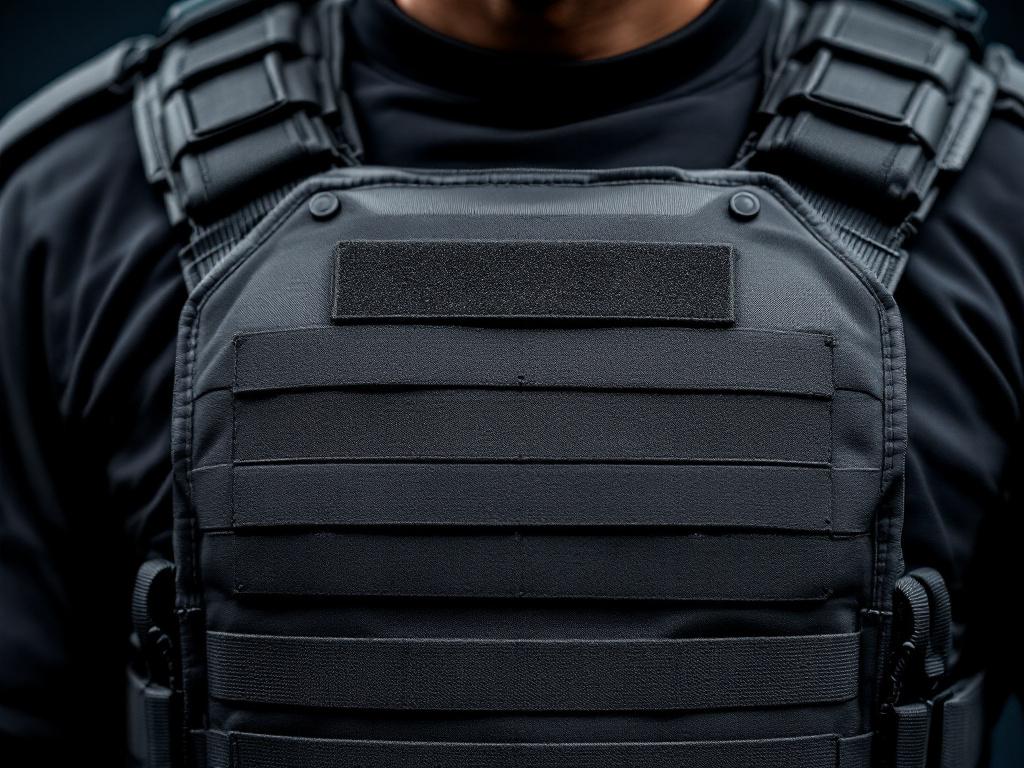
Lightweight yet tough, composite materials such as carbon fiber reinforced polymers (CFRPs) are used in vehicle armor, personal protection gear, and structural components. Their high strength-to-weight ratio improves mobility without compromising safety. - Nanomaterials and Nanocoatings
Nanotechnology enhances the functionality of materials, providing properties like self-healing, water repellency, anti-icing, and increased ballistic resistance. Nanocoatings are applied to surfaces to reduce friction, prevent corrosion, or offer camouflage. - Smart and Adaptive Materials
These materials respond dynamically to environmental stimuli—such as temperature, pressure, or impact. This includes thermally resistant fabrics, shape-memory alloys, and materials with adjustable transparency or reflectivity, beneficial for stealth and protection. - Biodegradable and Eco-Friendly Materials
Environmental considerations are increasingly influencing material choices. Biodegradable composites and eco-friendly alternatives are being developed for use in civil protection, reducing ecological footprints and ensuring safety during disposal or recycling.
Applications in Defence
- Ballistic and Blast-Resistant Shields: Lightweight armor panels for vehicles and personal gear that withstand high-velocity projectiles and explosive impacts.
- Stealth and Camouflage Coatings: Adaptive coatings that absorb or deflect radar, infrared, and visual detection, enhancing operational concealment.
- Chemical and Biological Protection: Materials capable of blocking or neutralizing toxic agents, ensuring safe handling and personnel safety.
Applications in Civil Protection
- Flood and Disaster Barriers: Robust, flexible materials designed to withstand water pressure, UV exposure, and environmental stressors.
- Thermal and Fire-Resistant Fabrics: Protective clothing for rescue workers exposed to extreme heat or chemical hazards.
- Structural Reinforcements: Advanced composites that strengthen critical infrastructure against natural calamities or accidental impacts.
The Future of Material Technologies
Research continues into multifunctional materials that combine several protective features—like self-healing capabilities, energy absorption, and environmental sensing—into a single substance. Innovations in additive manufacturing (3D printing) further enable on-demand production of complex, customized protective components, making defence and civil protection systems more adaptable and resilient.
Conclusion
Advanced material technologies are revolutionizing the fields of defence and civil protection, providing safer, lighter, and more adaptable solutions to complex threats. Investing in research and deployment of these materials ensures that military forces and civil agencies stay ahead in preparedness, operational effectiveness, and sustainability—protecting lives and infrastructure against an uncertain future.