
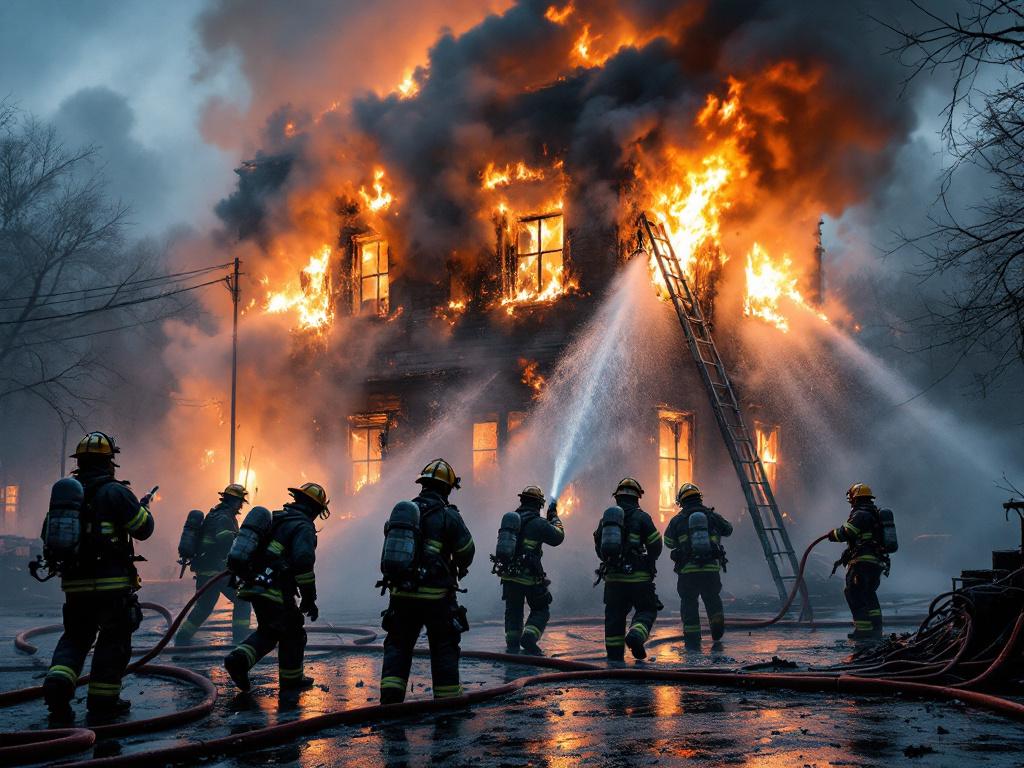
In emergency situations—such as natural disasters, industrial accidents, or terrorist attacks—timely response is critical to saving lives, minimizing damage, and quickly restoring normalcy. Rapid deployment solutions are specially designed systems and equipment that can be quickly assembled, transported, and activated to address urgent needs on the ground. Why Rapid Deployment Matters Emergencies often evolve unpredictably and require immediate action to contain hazards, provide shelter, or secure affected areas. Traditional solutions, while effective, may be too bulky or time-consuming to set up swiftly. In contrast, rapid deployment systems enable first responders, civil protection agencies, and military units to act promptly—sometimes within minutes—reducing the overall impact of the crisis. Key Types of Rapid Deployment Solutions Benefits of Rapid Deployment Solutions Conclusion In the dynamic environment of emergencies, the ability to deploy protective, containment, and support systems swiftly can make all the difference. Investing in versatile, portable, and easy-to-assemble solutions ensures that first responders and civil agencies are always prepared to act promptly—saving lives, safeguarding assets, and speeding up recovery processes. As threats and natural disasters increase in frequency and intensity, rapid deployment solutions will remain integral to effective emergency management.
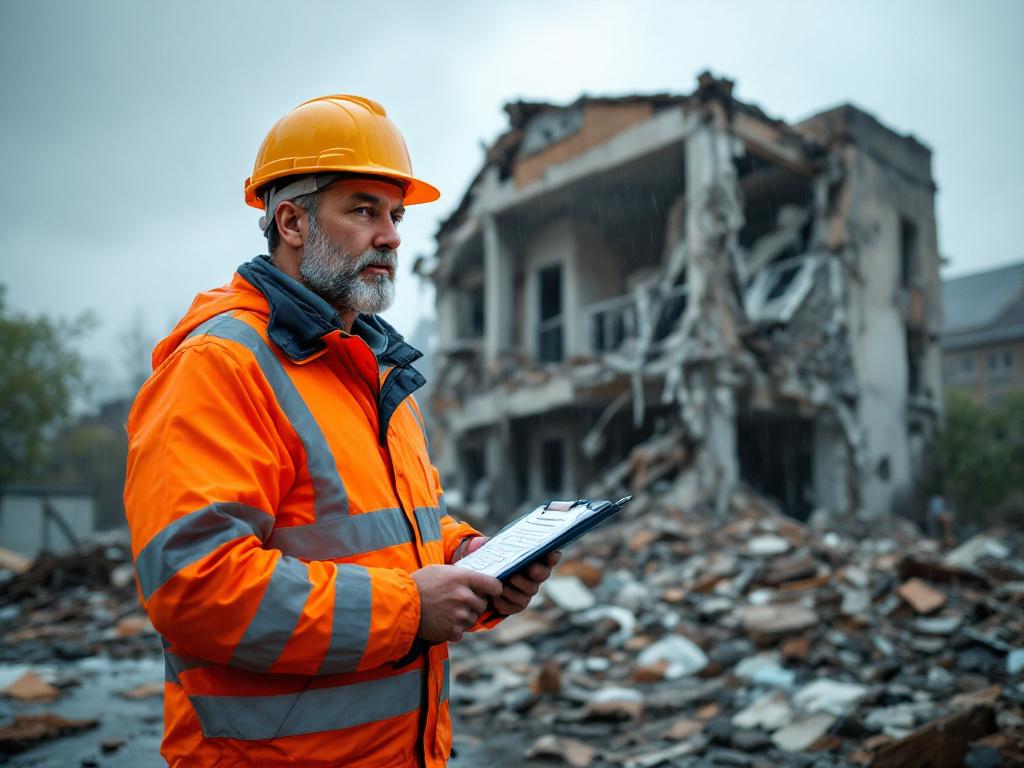
The Role of Civil Defense in a Modern Security Framework
In an era marked by rapid technological advancements, increasing geopolitical tensions, and the growing impact of climate change, civil defense has become an indispensable component of national and community security. While military defense primarily focuses on protecting sovereignty and borders, civil defense concentrates on safeguarding the population, critical infrastructure, and societal functions during a wide spectrum of emergencies—ranging from natural disasters to terrorist attacks and technological hazards. The Evolution of Civil Defense Historically, civil defense was largely associated with wartime preparations—air raid drills, evacuation procedures, and bomb shelters. Today, however, the scope has expanded significantly. Modern civil defense encompasses disaster preparedness, risk reduction, emergency management, and resilience-building measures designed to prevent, respond to, and recover from crises. This holistic approach recognizes that threats are multifaceted and often interconnected. Key Components of a Modern Civil Defense The Significance in Today’s Security Context The increasing frequency of natural disasters—floods, hurricanes, wildfires—due to climate change demands resilient civil defense systems. Likewise, asymmetric threats such as terrorism, cyberattacks, and biohazards require an adaptable and comprehensive preparedness strategy. Civil defense agencies are now integral partners with military and intelligence services, forming a layered security architecture that protects not just borders, but citizens and their way of life. Building a Resilient Civil Defense System A modern civil defense framework relies on proactive planning, technological innovation, and strong institutional coordination. Governments are investing in training first responders, developing multi-hazard response plans, and establishing public-private partnerships to enhance resource availability and expertise. Investing in modular protection systems—like flood barriers, thermal shields, and encrypted communication networks—addresses specific vulnerabilities, making communities less susceptible to disruptions. Conclusion Civil defense is no longer just about reacting to emergencies; it is about creating resilient communities that can withstand, adapt to, and recover from diverse threats. By integrating advanced technology, fostering public cooperation, and maintaining a flexible but robust response infrastructure, civil defense systems ensure societal stability and national security in a rapidly changing world. Building such resilient frameworks not only saves lives but secures the foundation of vital societal functions for generations to come.
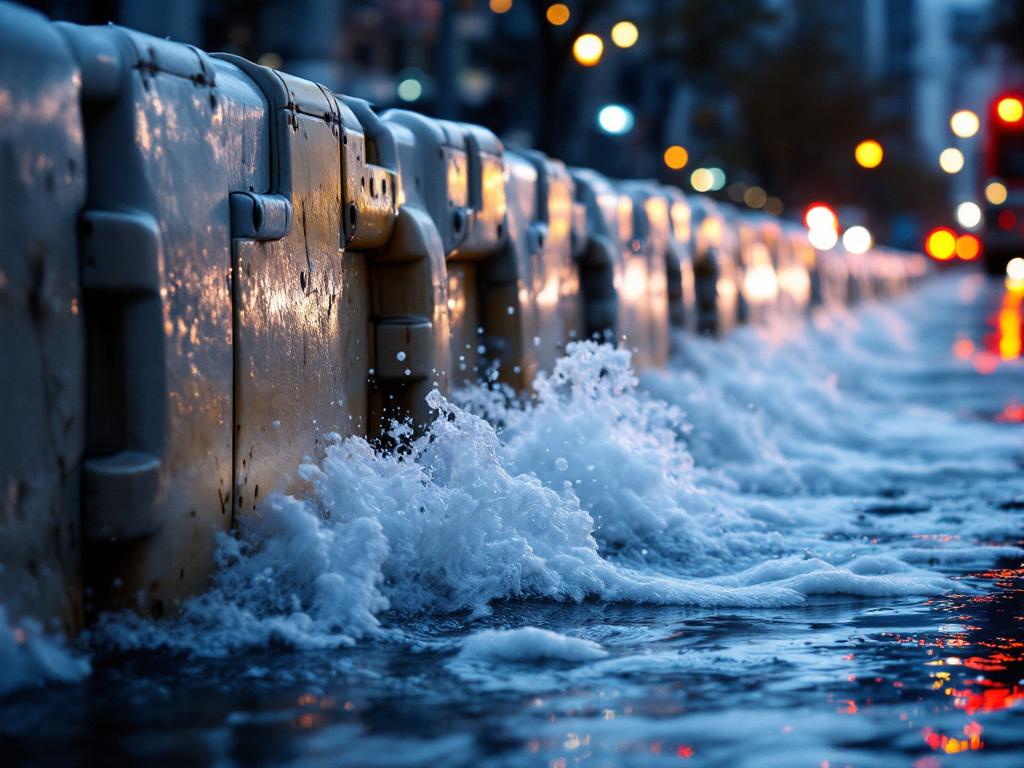
Flood Barriers and Security Fencing: Protecting Communities in a Changing Climate
As climate change accelerates, communities worldwide face an increasing threat from flooding, storm surges, and unpredictable weather patterns. Protecting lives, property, and critical infrastructure in this evolving environment requires innovative, adaptable, and resilient solutions. Flood barriers and security fencing stand at the forefront of community defense, offering effective protection against natural and human-made hazards. The Growing Need for Flood Protection Rising sea levels, intense storms, and heavy rainfall contribute to frequent and severe flooding events that can devastate neighborhoods, disrupt transportation networks, and cause economic losses. Traditional static defenses often fall short in providing sufficient protection or do not adapt well to changing conditions. This has led to a shift toward dynamic flood barrier systems—portably deployed and quickly installed—designed to respond to specific threat levels. Modern Flood Barriers: Flexibility and Strength Contemporary flood barriers are made from durable, lightweight materials like high-strength composites, inflatables, or modular panels. They are designed for rapid deployment and easy stackability, allowing communities to quickly erect defenses when a flood warning is issued. Examples include retractable flood gates, inflatable bladders, and foldable panels that can be stored until needed. These systems are capable of withstanding high water pressures, debris impact, and prolonged exposure to the elements. Security Fencing for Civil and Critical Infrastructure Protection Alongside flood defenses, security fencing plays a vital role in safeguarding community borders, industrial zones, and sensitive sites. Modern fencing solutions incorporate high-strength materials, anti-climb features, and sensor-integrated designs to deter unauthorized access, monitor activity, and provide a physical barrier against potential threats. Benefits of Flood Barriers and Security Fencing Adapting to Climate Change Investment in flexible, innovative flood protection and security infrastructure is essential as climate patterns become more unpredictable. Combining barriers and fencing with early-warning systems, real-time monitoring, and community engagement creates a comprehensive defense strategy. These solutions help communities adapt to changing environmental conditions and ensure long-term safety and sustainability. Conclusion In a world where natural and anthropogenic risks are increasing, flood barriers and security fencing are crucial tools for protecting communities. By providing rapid, reliable, and adaptable defenses, they enable communities to face the challenges of climate change head-on—saving lives, reducing economic losses, and securing future resilience.