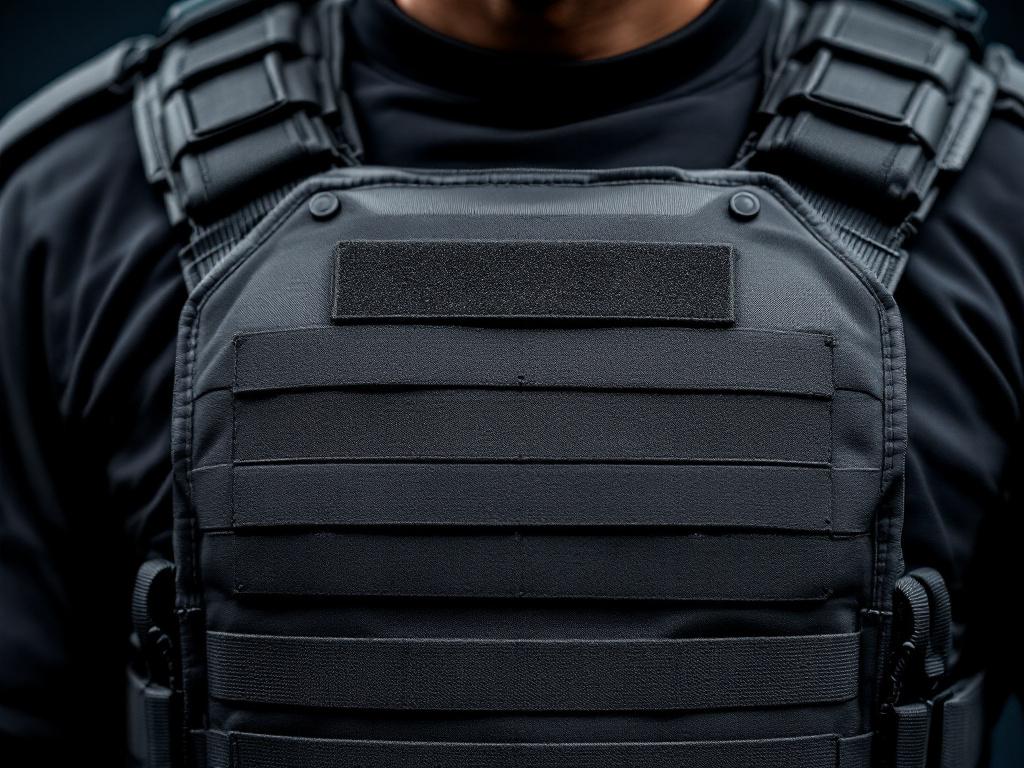
Advancements in ballistic protection technology are transforming the way military and civil security forces defend personnel, assets, and infrastructure. From lightweight body armor to heavy-duty vehicle shields, innovations continue to push the boundaries of safety, mobility, and operational effectiveness against evolving threats. The Evolution of Ballistic Protection Traditional steel plates and basic Kevlar vests have given way to high-tech composites, nanomaterials, and dynamic systems designed for maximum protection with minimal weight. These innovations cater to the need for increased mobility, comfort, and adaptability in complex operational environments. Key Innovations in Ballistic Protection 1. Advanced Body Armor Modern body armor now incorporates lightweight composite materials, such as ultra-high-molecular-weight polyethylene (UHMWPE) and ceramic plates. These materials offer high ballistic resistance while significantly reducing weight, enabling soldiers and police officers to move freely and operate longer in the field. Smart textiles with integrated sensors also enable real-time monitoring of protection integrity and user health. 2. Reactive and Adaptive Armor Innovative solutions like explosive reactive armor (ERA) and shape-changing materials dynamically respond to incoming threats. These systems provide enhanced protection by disrupting projectile penetration or adjusting their configuration based on threat levels, offering scalable and situationally aware defense. 3. Vehicle Shields and Structural Armor Modern vehicle shields utilize layered composites, ceramics, and nanomaterials to defend against small arms, shrapnel, and RPGs. Modular armor panels allow for quick upgrades and repairs, while integrated sensors monitor structural integrity and threat detection. 4. Nanomaterial Coatings Nanotechnology enhances ballistic resistance and environmental durability of protective surfaces. Coatings provide increased hardness, self-healing capabilities, and reduced weight, while also offering protection against corrosion, chemical, and environmental hazards. Benefits of These Innovations Future Trends Emerging research focuses on multifunctional protection systems combining ballistic resistance with thermal regulation, electromagnetic shielding, and environmental sensing. Additive manufacturing (3D printing) offers the potential for on-demand, customized armor solutions, further increasing resilience and operational readiness. Conclusion Innovations in ballistic protection are crucial for maintaining superiority in both military and civilian security domains. As threats become more sophisticated, continuous research and adoption of advanced materials and adaptive systems will ensure personnel and assets remain protected without compromising mobility and performance. These technological strides are shaping a safer future, safeguarding lives and critical infrastructure worldwide.

Advanced Material Technologies in Defence and Civil Protection
In today’s evolving security environment, the development and deployment of advanced materials have become a cornerstone of modern defence and civil protection systems. These cutting-edge materials offer enhanced protection, lighter weight, increased durability, and versatile applications—enabling military forces and civil agencies to effectively respond to emerging threats and hazards. The Role of Advanced Materials Traditional materials such as steel and basic composites are increasingly being supplemented or replaced by innovative substances tailor-made to meet specific operational requirements. These materials provide superior ballistic resistance, thermal stability, chemical resilience, and environmental adaptability. Key Technologies and Applications Applications in Defence Applications in Civil Protection The Future of Material Technologies Research continues into multifunctional materials that combine several protective features—like self-healing capabilities, energy absorption, and environmental sensing—into a single substance. Innovations in additive manufacturing (3D printing) further enable on-demand production of complex, customized protective components, making defence and civil protection systems more adaptable and resilient. Conclusion Advanced material technologies are revolutionizing the fields of defence and civil protection, providing safer, lighter, and more adaptable solutions to complex threats. Investing in research and deployment of these materials ensures that military forces and civil agencies stay ahead in preparedness, operational effectiveness, and sustainability—protecting lives and infrastructure against an uncertain future.
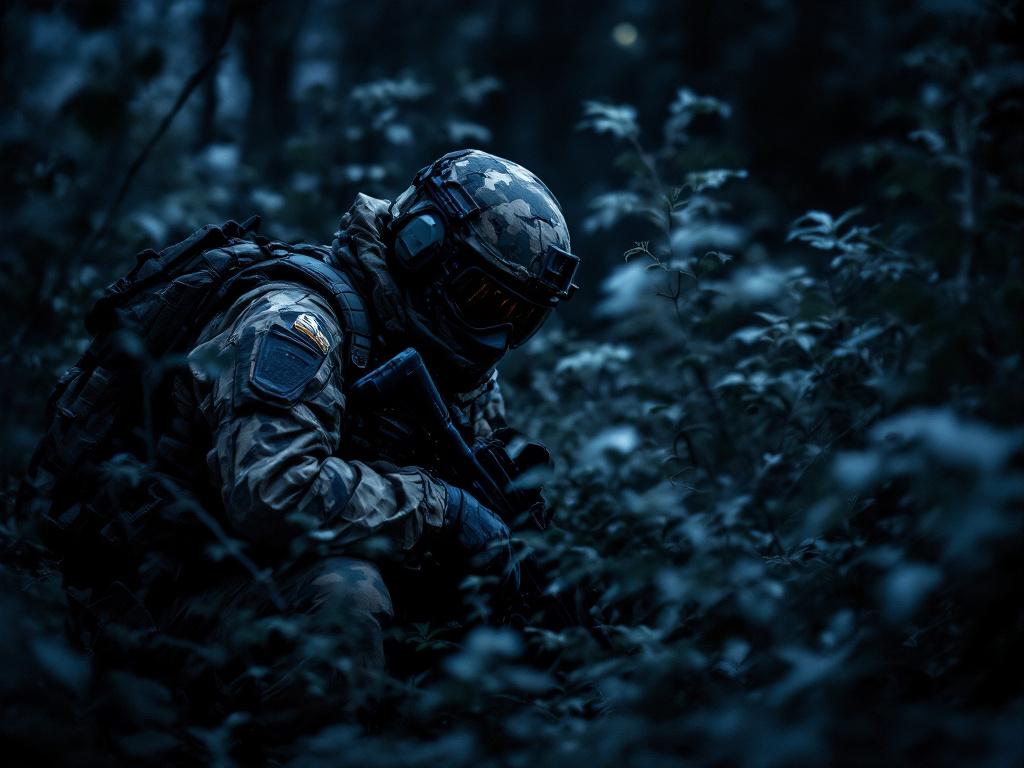
Integrating Thermal Protection and Camouflage: Elevating Survival and Stealth in Military Defense Protection
In modern combat environments, the ability to remain hidden while maintaining safety from extreme conditions is crucial for mission success and personnel survival. Integrating advanced thermal protection with sophisticated camouflage solutions creates a new standard in defensive technology, enabling forces to operate effectively in diverse and challenging terrains. The Importance of Thermal Protection Thermal protection systems shield personnel, vehicles, and equipment from extreme temperatures—whether from the cold of high altitudes and winter operations or the heat generated by explosions, vehicle engine exhaust, and environmental conditions. These systems help prevent thermal overload, hypothermia, or heat exhaustion, ensuring operational endurance and reducing the risk of detection through heat signatures. The Power of Camouflage Modern camouflage goes beyond traditional visual concealment; it involves multispectral concealment techniques that mask infrared (IR), thermal, and radar signatures. Stealth technologies utilize adaptive materials that blend into various environments, making units less visible to IR sensors, thermal imagers, and radar detection systems. Combining Thermal Protection with Camouflage By integrating thermal insulators and adaptive camouflage coatings, military equipment and personnel can simultaneously withstand environmental extremes and stay hidden from detection. For example: Benefits of Integration Future Outlook Research is ongoing into smart materials that dynamically respond to environmental stimuli—self-healing thermoplastics, nanomaterial coatings with real-time signature management, and textiles with embedded sensors that monitor health and environmental conditions. These innovations will further enhance the effectiveness of integrated thermal and camouflage systems. Conclusion Integrating thermal protection with advanced camouflage technologies significantly elevates the survivability and stealth capabilities of modern military forces. As threats become more sophisticated, these combined systems will be essential for maintaining tactical advantage, ensuring personnel safety, and achieving mission success in an increasingly contested environment.
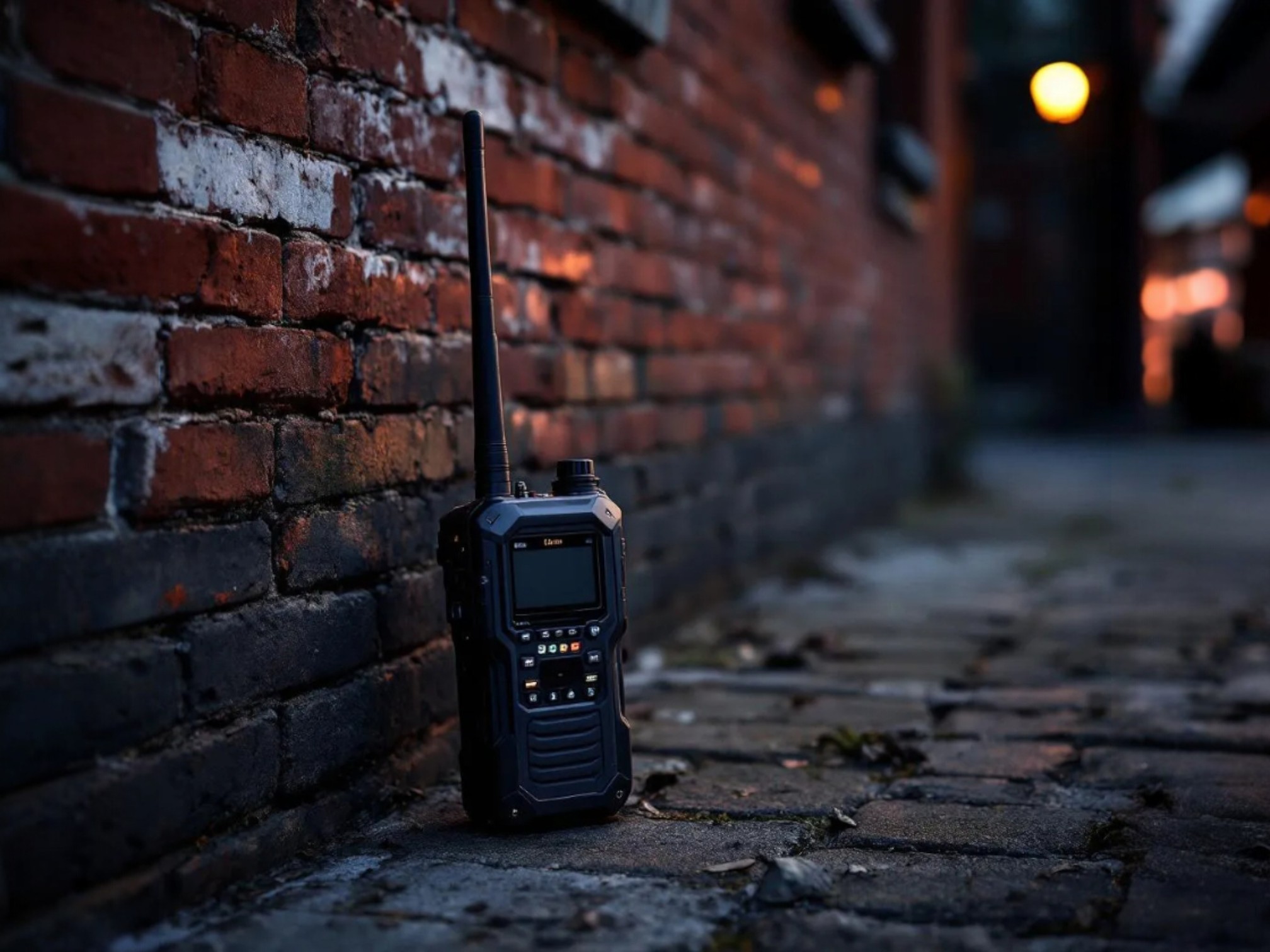
Advanced Electronic Countermeasures: Securing Communications in Modern Warfare and Civil Operations
In today’s rapidly evolving threat landscape, securing reliable and confidential communication channels is more critical than ever—whether for military operations or civil emergency response. Advanced electronic countermeasures (ECM) play a vital role in protecting against hostile jamming, signal interference, and cyber threats, ensuring that vital information reaches its destination securely and uninterrupted. Modern ECM solutions utilize adaptive jamming techniques, signal encryption, and real-time threat detection to mitigate the risks posed by sophisticated adversaries. In military contexts, these systems enable troops to operate stealthily, command effectively, and maintain situational awareness even in contested electromagnetic environments. For civilian applications, such as disaster response or border security, secure communications are essential for coordination, safety, and responsiveness. One of the key benefits of these advanced systems is their ability to automatically detect threats and respond dynamically—jamming enemy signals while protecting friendly communications. This not only preserves operational integrity but also prevents eavesdropping, data breaches, and potential sabotage. At Shield Core Technologies, we develop rugged, scalable encrypted communication systems tailored to the unique needs of both military and civil sectors. Combining cutting-edge encryption algorithms with robust hardware design, our solutions provide dependable, secure channels that support mission-critical operations in complex environments. Whether safeguarding national borders, coordinating disaster relief efforts, or enabling covert operations, our electronic countermeasures ensure that information remains protected—empowering users to act confidently in any situation.