In modern combat environments, the ability to remain hidden while maintaining safety from extreme conditions is crucial for mission success and personnel survival. Integrating advanced thermal protection with sophisticated camouflage solutions creates a new standard in defensive technology, enabling forces to operate effectively in diverse and challenging terrains.
The Importance of Thermal Protection
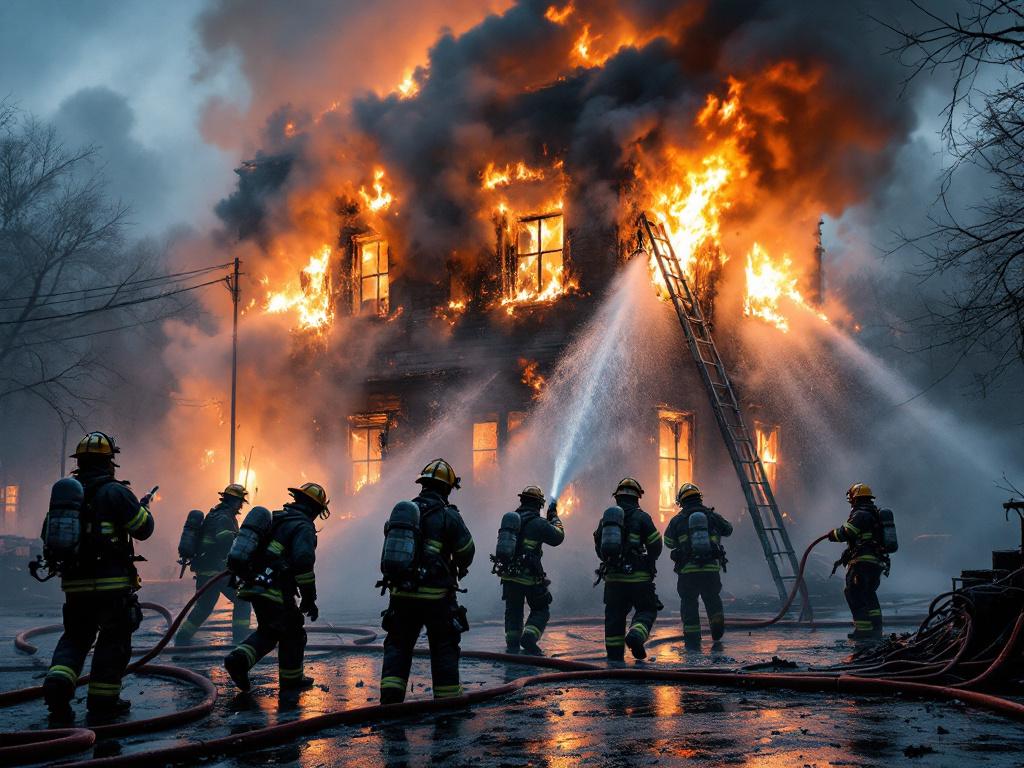
Thermal protection systems shield personnel, vehicles, and equipment from extreme temperatures—whether from the cold of high altitudes and winter operations or the heat generated by explosions, vehicle engine exhaust, and environmental conditions. These systems help prevent thermal overload, hypothermia, or heat exhaustion, ensuring operational endurance and reducing the risk of detection through heat signatures.
The Power of Camouflage
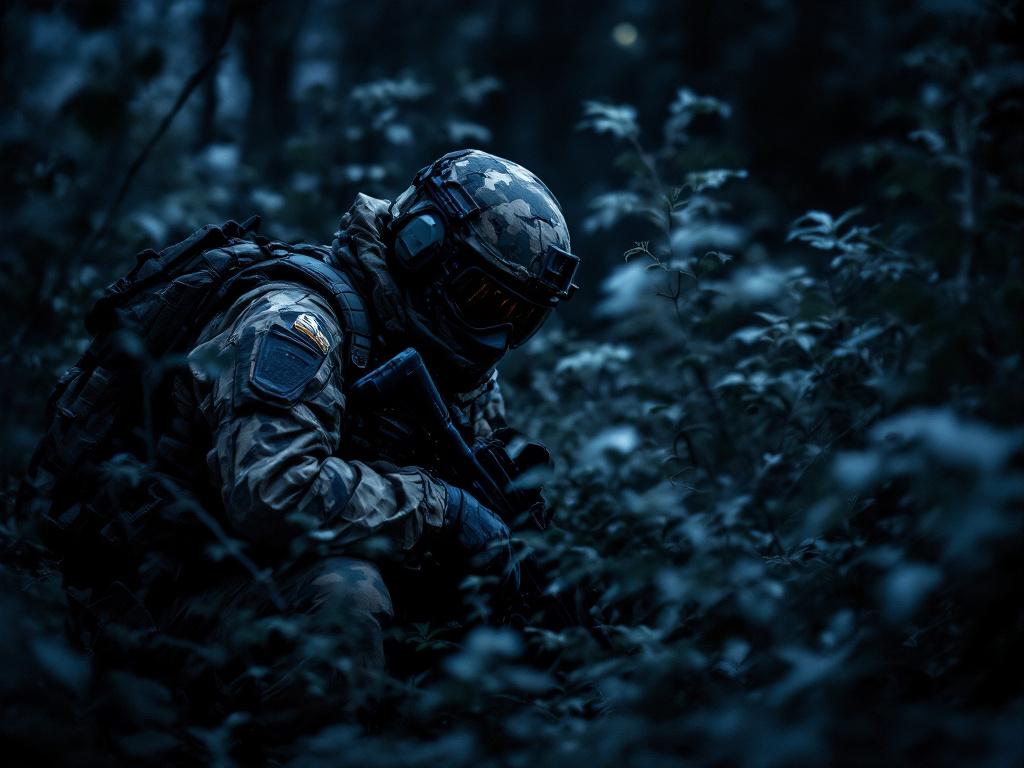
Modern camouflage goes beyond traditional visual concealment; it involves multispectral concealment techniques that mask infrared (IR), thermal, and radar signatures. Stealth technologies utilize adaptive materials that blend into various environments, making units less visible to IR sensors, thermal imagers, and radar detection systems.
Combining Thermal Protection with Camouflage
By integrating thermal insulators and adaptive camouflage coatings, military equipment and personnel can simultaneously withstand environmental extremes and stay hidden from detection. For example:
- Thermal-regulating Fabrics: Clothing and gear with embedded insulation and IR-masking properties reduce heat signatures without sacrificing breathability or mobility.
- Adaptive Camouflage Coatings: Materials that adjust their reflectivity or patterning in response to environmental cues, providing real-time concealment across multiple spectra.
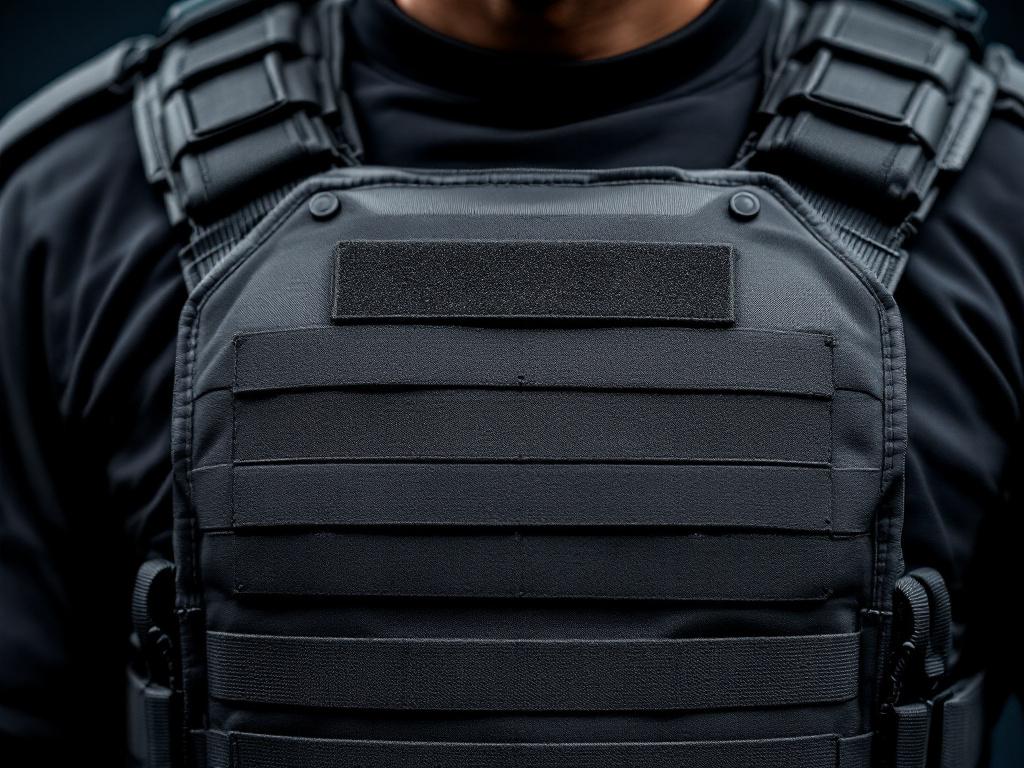
- Vehicle and Equipment Shielding: Lightweight composites with integrated thermal and IR-suppressant layers that deflect heat emissions, thus denying enemy sensors the ability to track or target.
Benefits of Integration
- Enhanced Survivability: Personnel and assets are protected from both environmental hazards and enemy detection.
- Operational Stealth: Reduced heat signatures and multispectral camouflage improve concealment, especially in drone and satellite surveillance environments.
- Increased Endurance: Maintaining optimal thermal conditions extends mission durations and reduces exhaustion.
- Versatility: Systems adaptable to diverse climates, terrains, and threat scenarios.
Future Outlook
Research is ongoing into smart materials that dynamically respond to environmental stimuli—self-healing thermoplastics, nanomaterial coatings with real-time signature management, and textiles with embedded sensors that monitor health and environmental conditions. These innovations will further enhance the effectiveness of integrated thermal and camouflage systems.
Conclusion
Integrating thermal protection with advanced camouflage technologies significantly elevates the survivability and stealth capabilities of modern military forces. As threats become more sophisticated, these combined systems will be essential for maintaining tactical advantage, ensuring personnel safety, and achieving mission success in an increasingly contested environment.